AI and Chronic Illness: Transforming Long-Term Patient Care
Abstract
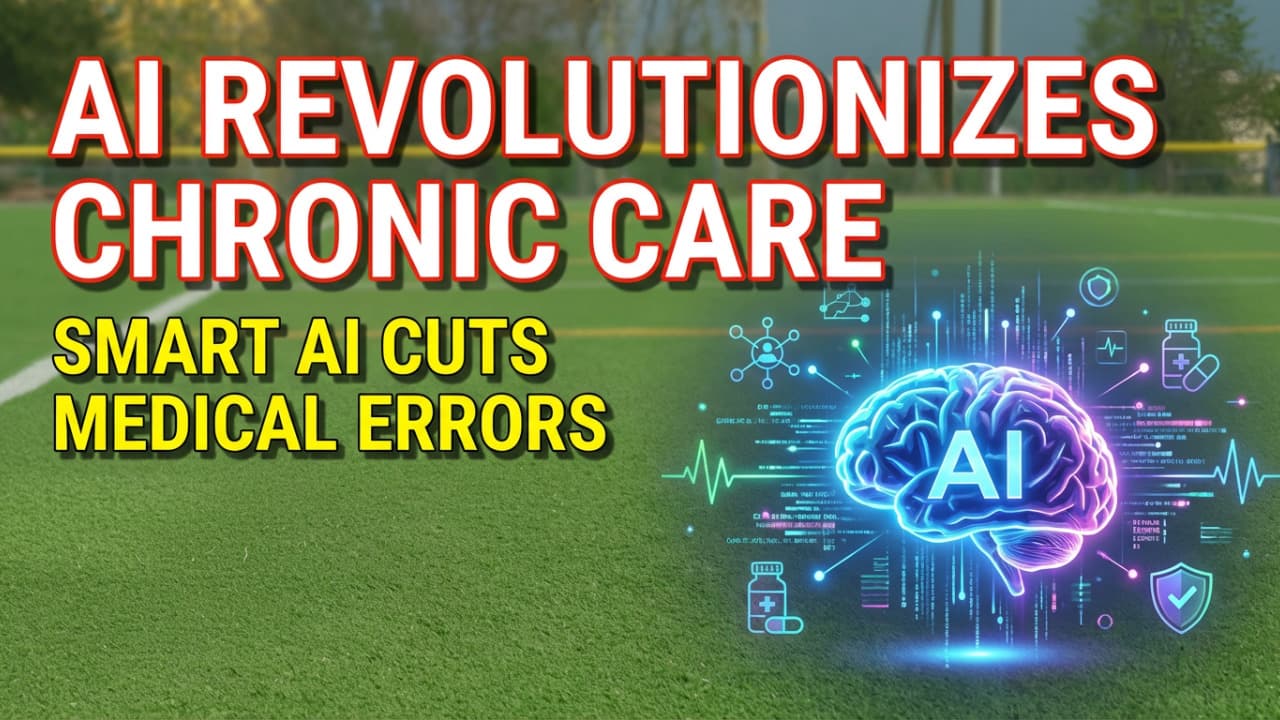
Chronic illness management has become increasingly complex due to longer patient lifespans, multiple comorbidities, polypharmacy, and continuous data generated from medical devices and specialist consultations. Traditional pen-and-paper or fragmented digital systems are no longer adequate to manage this growing data burden. Artificial Intelligence (AI) offers a transformative solution by integrating multi-source clinical data, identifying meaningful patterns, and supporting timely clinical decision-making. Advanced agentic AI systems can proactively generate alerts, coordinate care, and reduce medical errors. AI-powered Hospital Information Management Systems enable holistic, coordinated, and reliable long-term care, making AI an essential component of modern chronic disease management.Chronic illnesses represent one of the most significant challenges in modern healthcare. As medical science advances, patients with chronic diseases are living longer. While this increased longevity is a positive outcome, it also introduces growing complexity in patient management.
Today’s chronic illness patients often depend on multiple medications, medical devices, and specialist consultations. Diabetes, heart failure, kidney disease, malignancy, and neurological disorders frequently coexist in the same individual. Each condition adds another layer of clinical data, monitoring requirements, and treatment decisions.
As a result, the data burden on both patients and clinicians has increased exponentially.
From Pen and Paper to Data Overload
Traditionally, chronic patients were managed using pen-and-paper records or simple documentation systems. At that time, the volume of data was limited, treatment protocols were simpler, and coordination between specialists was manageable.
However, this approach is no longer sufficient.
Modern healthcare generates data from:
-
Laboratory investigations
-
Imaging studies
-
Wearable and implantable medical devices
-
Electronic prescriptions
-
Multiple hospital visits
-
Inputs from various specialists
When this data is fragmented across departments and institutions, clinical complexity increases, and the risk of error rises significantly.
Even a small data oversight—such as a missed lab trend or a drug interaction—can lead to:
-
Treatment failure
-
Disease progression
-
Adverse drug events
-
Avoidable hospitalizations
The Challenge of Fragmented Specialist Care
Chronic illness patients are rarely treated by a single physician. They are often under the care of multiple specialists, each focused on their own domain.
While specialization improves depth of care, it also creates clinical silos. When specialists do not have a unified, real-time view of the patient’s complete health status, the broader clinical picture can be missed.
This fragmented approach can lead to:
-
Conflicting treatment decisions
-
Medication interactions
-
Duplication of tests
-
Delayed identification of complications
The Role of Artificial Intelligence
Artificial Intelligence (AI) has the potential to fundamentally change how chronic illnesses are managed.
AI systems can:
-
Integrate data from multiple sources and specialties
-
Identify trends that are difficult for humans to detect
-
Highlight early warning signs before clinical deterioration
-
Present complex data in a summarized, actionable format
Rather than replacing clinicians, AI augments clinical intelligence, enabling better, faster, and safer decision-making.
Agentic AI: Moving Beyond Passive Systems
The next evolution is Agentic AI.
Unlike traditional systems that only display information, agentic AI can:
-
Act autonomously within defined clinical rules
-
Send alerts and warnings
-
Prompt follow-ups and investigations
-
Assist in care coordination
These intelligent agents reduce dependency on manual vigilance and help prevent errors before they occur.
AI-Powered HIMS: A Central Nervous System for Care
An AI-powered Hospital Information Management System (HIMS) acts as a central platform where all patient data—across hospitals, specialties, and devices—can be integrated.
Such systems enable:
-
Vertical data integration across institutions
-
Unified patient summaries
-
Medication reconciliation and interaction checks
-
Improved follow-up planning
-
Reliable longitudinal care
When data is centralized, intelligently analyzed, and meaningfully summarized, the quality of clinical decisions improves significantly.
A Practical Example
Consider a patient with:
-
Diabetes
-
Chronic kidney disease
-
Heart failure
-
Malignancy
Each condition is managed by a different specialist. The medications prescribed may interact with one another, and changes made by one specialist may impact another condition.
Without a unified intelligence layer, complications are almost inevitable.
With AI integration, the system can:
-
Flag high-risk drug interactions
-
Alert clinicians to worsening trends
-
Ensure coordinated treatment planning
Conclusion: AI Is No Longer Optional
Artificial Intelligence and agentic AI are no longer luxuries in healthcare. They are becoming essential components of chronic illness management.
As patient complexity increases, relying solely on traditional methods is neither safe nor sustainable.
The future of chronic care lies in:
-
Intelligent data integration
-
Proactive monitoring
-
Coordinated, multidisciplinary decision-making
AI-powered systems enable us to move from reactive treatment to predictive, preventive, and patient-centered care.
If you want, I can also provide:
-
SEO-optimized title, meta description, and keywords
-
A shorter blog version (600–700 words)
-
A clinician-only or hospital-administrator-focused version
-
A LinkedIn article format
Just let me know.

Dr Umesh Bilagi
Founder CEO of Nice HMS, reshaping healthcare management. MD DM in cardiology, with 2 private hospital launches and impactful government tenure. Fusing medical expertise and tech for superior care is my mission.
This Unlock the Future of Healthcare Management! 🚀🏥🌟
Is managing your hospital, clinic, or lab becoming a daunting task? Experience the ease and efficiency of our cutting-edge Management Software through a personalized demo.