Nice Blog
Mon Dec 22 2025
When Patients Audit Your Prescription with AI: A Medico-Legal Wake-Up Call for Doctors
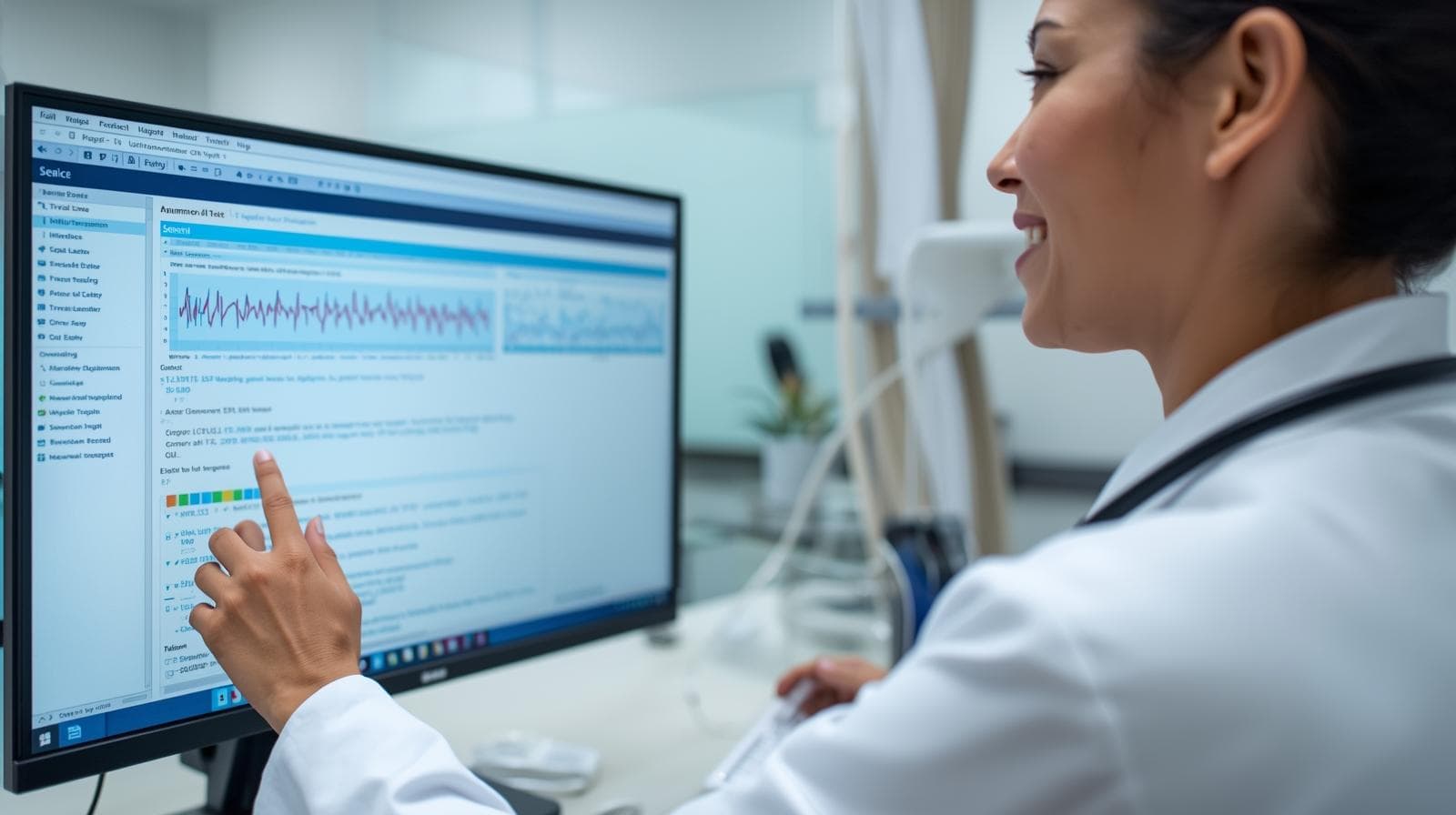
The rapid adoption of artificial intelligence by patients is transforming medical practice and introducing new medico-legal risks for doctors. Patients are no longer relying on “Dr Google” alone; they are now uploading prescriptions, discharge summaries, and reports into AI systems that analyse drug interactions, dosages, and guideline compliance. While clinical decisions often involve acceptable risk and contextual judgement, AI flags may create doubt and serve as digital evidence during litigation. This article highlights how AI is changing patient behaviour, raising expectations of error-free medicine, and increasing legal exposure. It outlines practical strategies—communication, shared decision-making, and AI-aware documentation—to help doctors practice safely in the AI era.Sun Dec 14 2025
Why Burnout Is Increasing in Young Doctors — And How AI-Powered EMRs Can Help
Burnout among young doctors in India is increasing despite lower patient loads compared to previous generations. This phenomenon is not driven by clinical work itself, but by inefficient systems, rising patient expectations, medico-legal pressure, and excessive documentation. Traditional paper-based workflows and poorly designed EMRs add cognitive burden and reduce professional satisfaction. In the age of artificial intelligence, patients are better informed and demand greater transparency and accuracy. AI-powered hospital information systems, such as Nice HMS, simplify documentation through speech-to-text, automated patient summaries, AI-generated initial assessments, discharge summaries, and diagnostic reports. By reducing administrative workload and improving clinical clarity, AI enables doctors to focus on decision-making and patient care, thereby mitigating burnout and improving healthcare delivery.Sun Dec 07 2025
How Doctors Can Become Effective Leaders: A Practical Path for Indian Healthcare Professionals
Doctors in India receive extensive clinical training but are rarely taught how to manage a medical practice, which leads to stress and burnout when they enter the real world. Effective practice management requires more than medical expertise—it demands leadership, business understanding, technological adoption, and financial planning. By developing a CEO mindset, strengthening leadership skills, embracing digital tools like HIMS for automation, and focusing on cost efficiency and workload balance, doctors can build a sustainable and scalable medical practice. This approach enhances patient care, improves profitability, and ensures personal well-being, helping healthcare professionals thrive in today’s demanding healthcare environment.Sun Nov 30 2025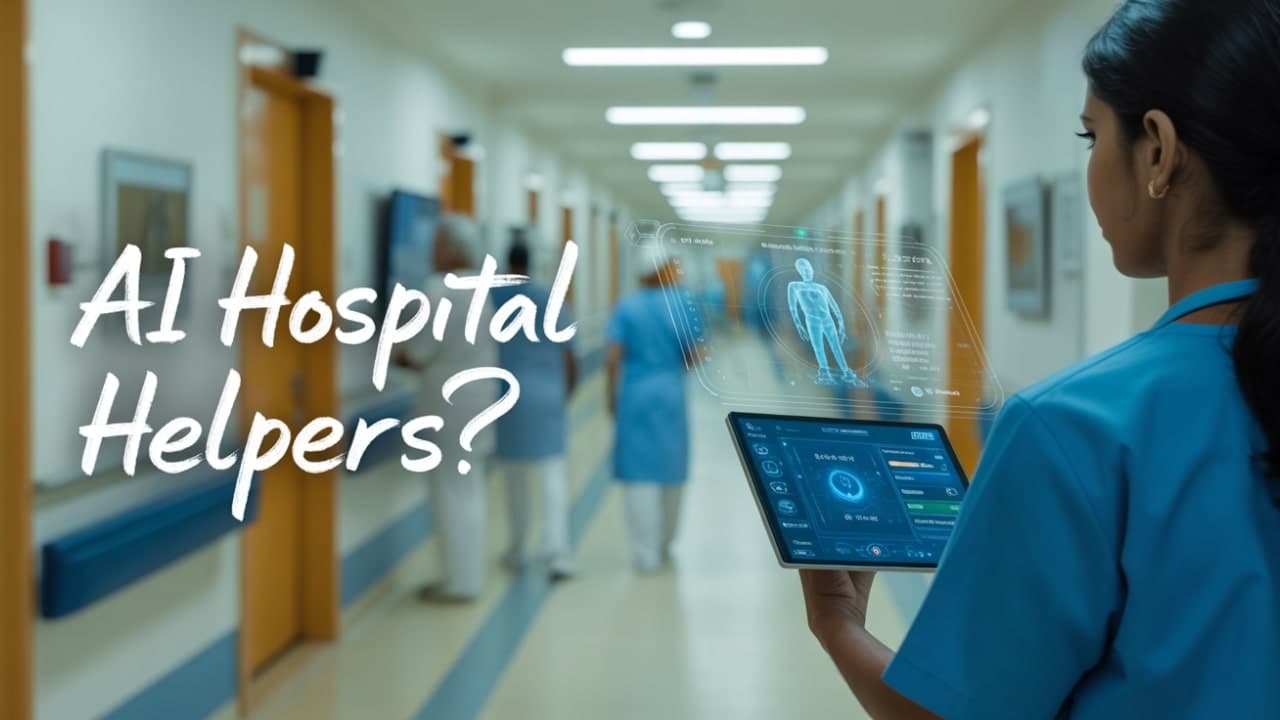
How AI Can Reduce Scut Work in Indian Hospitals — A Deep Dive into Automation with NICE-HMS
Indian hospitals face massive administrative burdens, with doctors, nurses, and staff spending valuable time on repetitive paperwork. AI and NICE-HMS dramatically reduce this scut work by automating discharge summaries, radiology reporting, and lab data entry, while improving accuracy and workflow speed. Integrated LIS systems, NHCX-based insurance automation, OCR, and AI validation streamline claims processing. AI chatbots, voice agents, and WhatsApp automation simplify patient engagement, while smart reminders enhance follow-up care. Predictive analytics optimize hospital operations. With human supervision, AI becomes a powerful assistant—cutting workload, minimizing errors, and enabling clinicians to focus on real patient care.Tue Nov 25 2025